The Ultimate Guide To Bed Bug Services
Table of ContentsThe Best Strategy To Use For Bed Bug ServicesThings about Bed Bug ServicesAbout Bed Bug ServicesIndicators on Bed Bug Services You Need To Know
An expert-conducted bed bug inspection is a meticulous process and demands careful attention. Bed bugs are small, elusive, and adept at hiding that often dwell in small hiding places in furniture and walls. Because of their secretive nature, detailed examination is necessary to identify the full scope of the problem. Professional inspectors employ a range of techniques, tools, and expertise to locate pests effectively, stopping infestations from worsening.The first step in any professional inspection involves familiarizing oneself with the biology of bed bugs. Bed bugs belong to the order Hemiptera and undergo a life cycle that includes eggs, nymph stages, and adulthood. Adults are oval, flat, reddish-brown insects that lack wings and have long legs and antennae. Their feeding apparatus injects anticoagulants while drawing blood, resulting in clusters of itchy bites. Knowing these traits helps inspectors anticipate hiding spots.
Early detection is critical for effective management. Professionals look for specific indicators such as tiny ink-like droppings, molted skins, and egg clusters (Bed Bug Services). Even one female can produce dozens of eggs quickly, leading to rapid infestations if unchecked. Evidence of shed exoskeletons or leftover eggs signals ongoing activity and demands thorough examination
Preparing for an inspection demands meticulous preparation. Inspectors often advise removing items that block access, which facilitates examination of hard-to-reach areas. Bedding and linens may be treated with heat before inspection, and then stored in sealed bags to prevent re-infestation. Wall decor, mirrors, and pictures should be taken down to allow access to potential bed bug harborages. Vacuuming furniture and floors may capture visible bugs and eggs, and vacuum bags should be disposed of immediately outside.
The Greatest Guide To Bed Bug Services
The inspection itself is methodical and detailed. Inspectors start with beds and adjacent furniture, paying attention to edges, seams, and potential hiding spots. Upholstered my explanation furniture, including seating furniture, is carefully examined, with attention to seams and cushions. Baseboards, moldings, the edges of wall-to-wall carpeting, electrical outlets, closets, and storage areas receive detailed attention, as these can be common harborage sites.
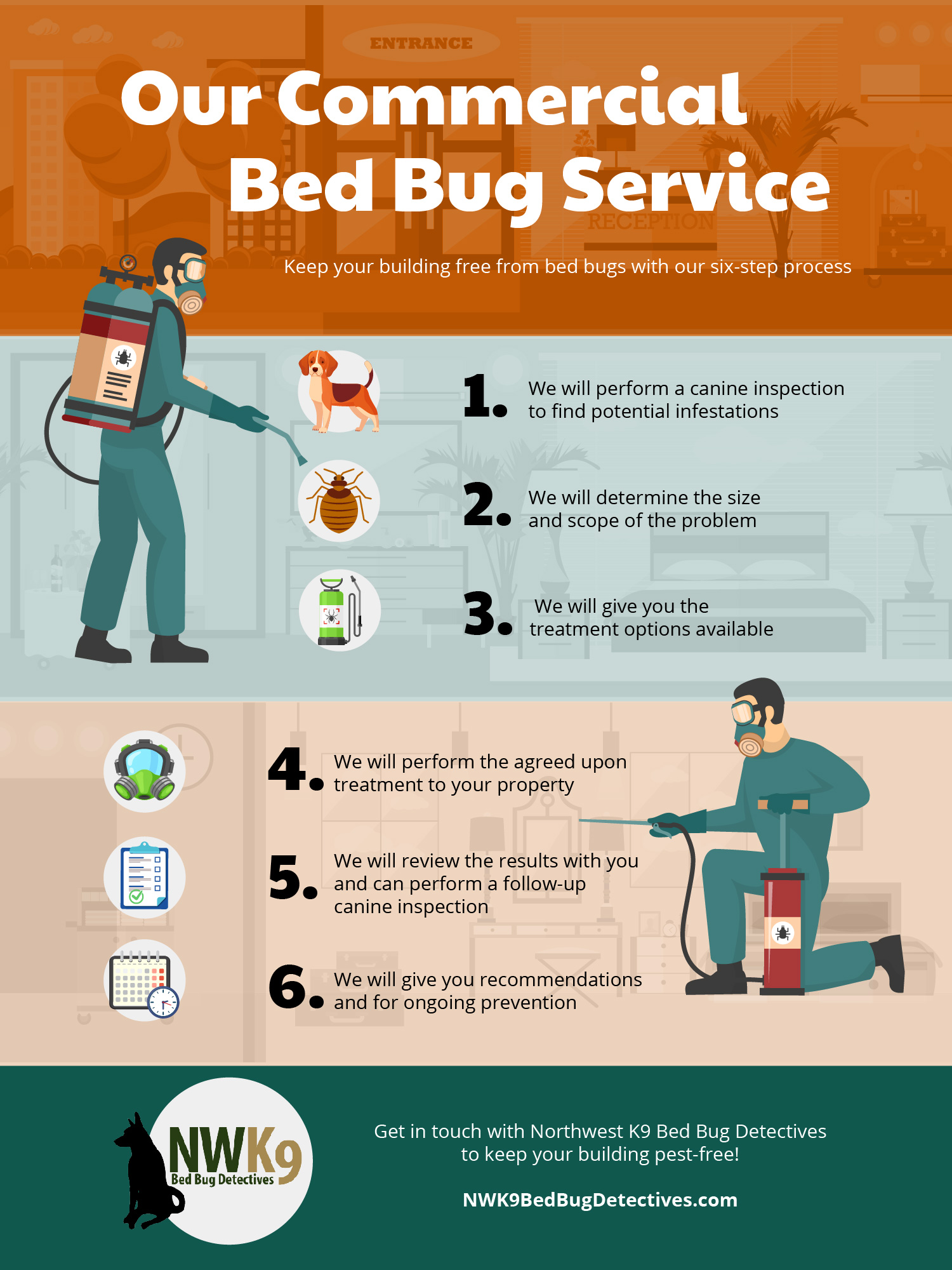
Specialized tools enhance detection accuracy. Flashlights, magnifying lenses, multi-tools, and mirrors allow examination of tight spaces. Monitoring devices like interceptor traps or sticky pads aid in identifying infestation trends. Some companies use detection dogs, which detect even small infestations, distinguishing them from residual signs.

Meticulous documentation plays a critical role. Inspectors maintain detailed notes of findings, areas affected, and next steps. This provides a reference for follow-ups and offers proof of inspection. Residents are often instructed to preserve evidence for accuracy, as this prevents loss of critical information.
After inspection, click a monitoring plan may be implemented to confirm the presence of bed bugs and track activity. Continuous monitoring detects reinfestation, and interviews with household members helps pinpoint problem areas. Cooperation from residents ensures accuracy.
All About Bed Bug Services
Professional inspections provide confidence that infestations are correctly identified. Trained inspectors know what to look for and where, avoid unnecessary treatments, and confirm the situation accurately.
Bed bug inspections are particularly important in hotels, dormitories, multi-unit apartments, and senior living facilities. Inspectors check neighboring rooms and shared spaces to identify potential spread (Bed Bug Services). This stops further spread
In summary, a professional bed bug inspection involves understanding bed bug biology, preparing the space, conducting systematic inspections, using specialized tools, documenting findings, and implementing monitoring protocols. Each step supports early detection, informs treatment, and reduces future risk.
Bed Bug Services - An Overview
